For general food storage, a temperature between 35°F and 38°F is ideal.
For beverages, a slightly higher temperature, around 40°F, may be more appropriate.
Precision Thermostats: Fine-tuned temperature settings to keep drinks at their ideal serving temperature.
For instance, a basement refrigerator can be perfect for additional storage space, while a beverage refrigerator ensures that your drinks are always at the perfect temperature.
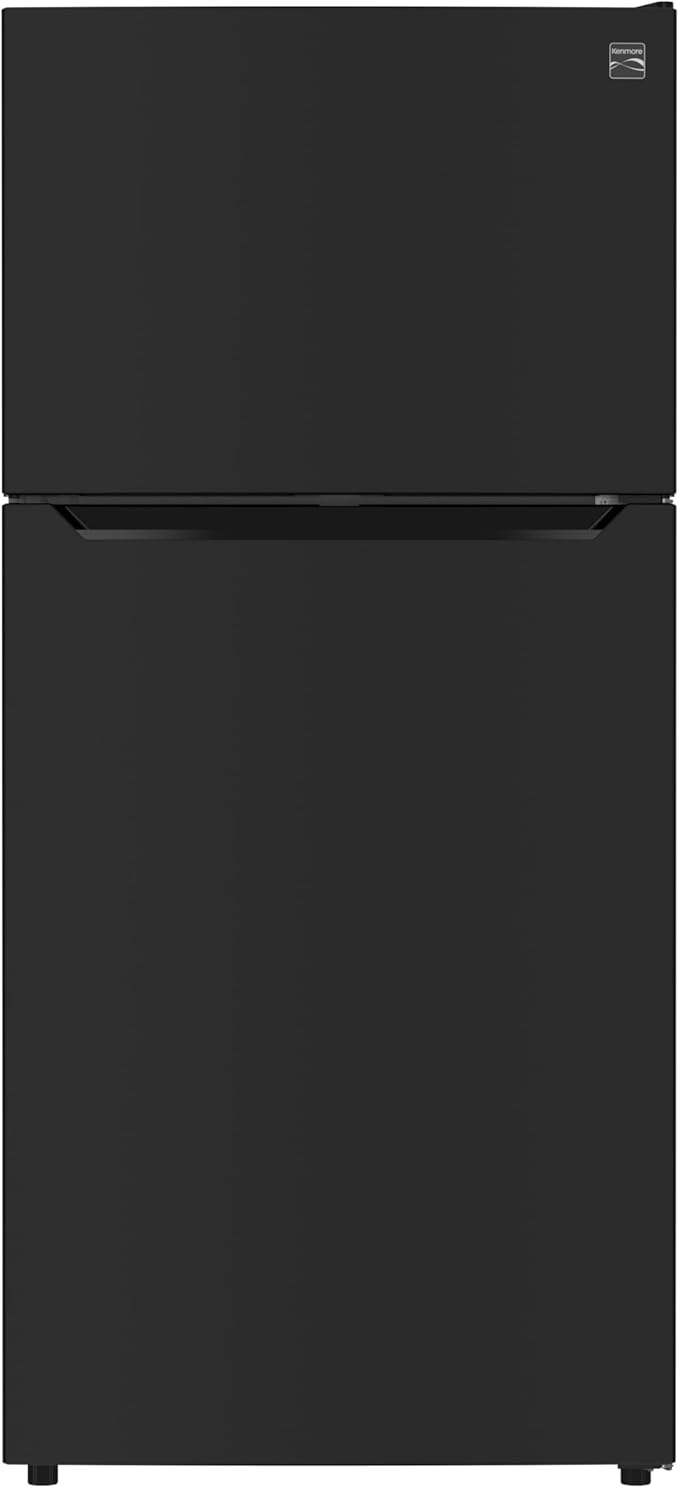
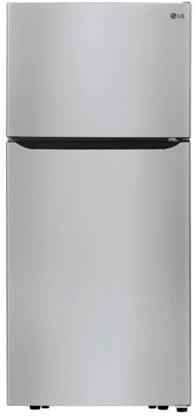
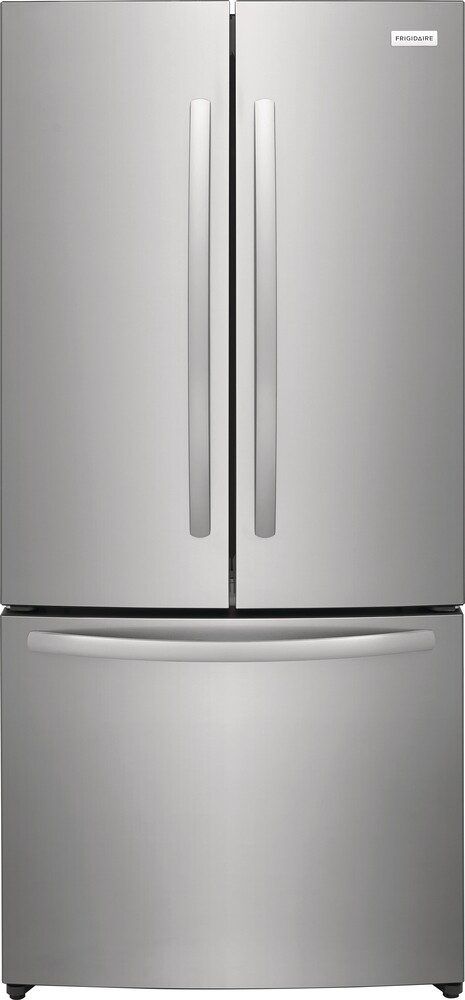
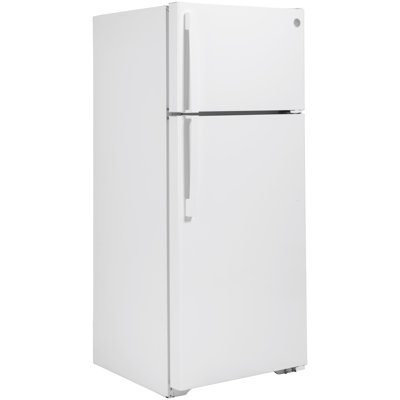
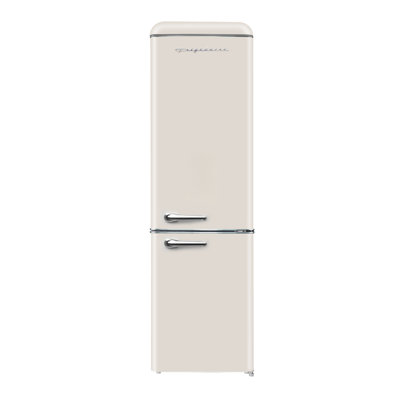
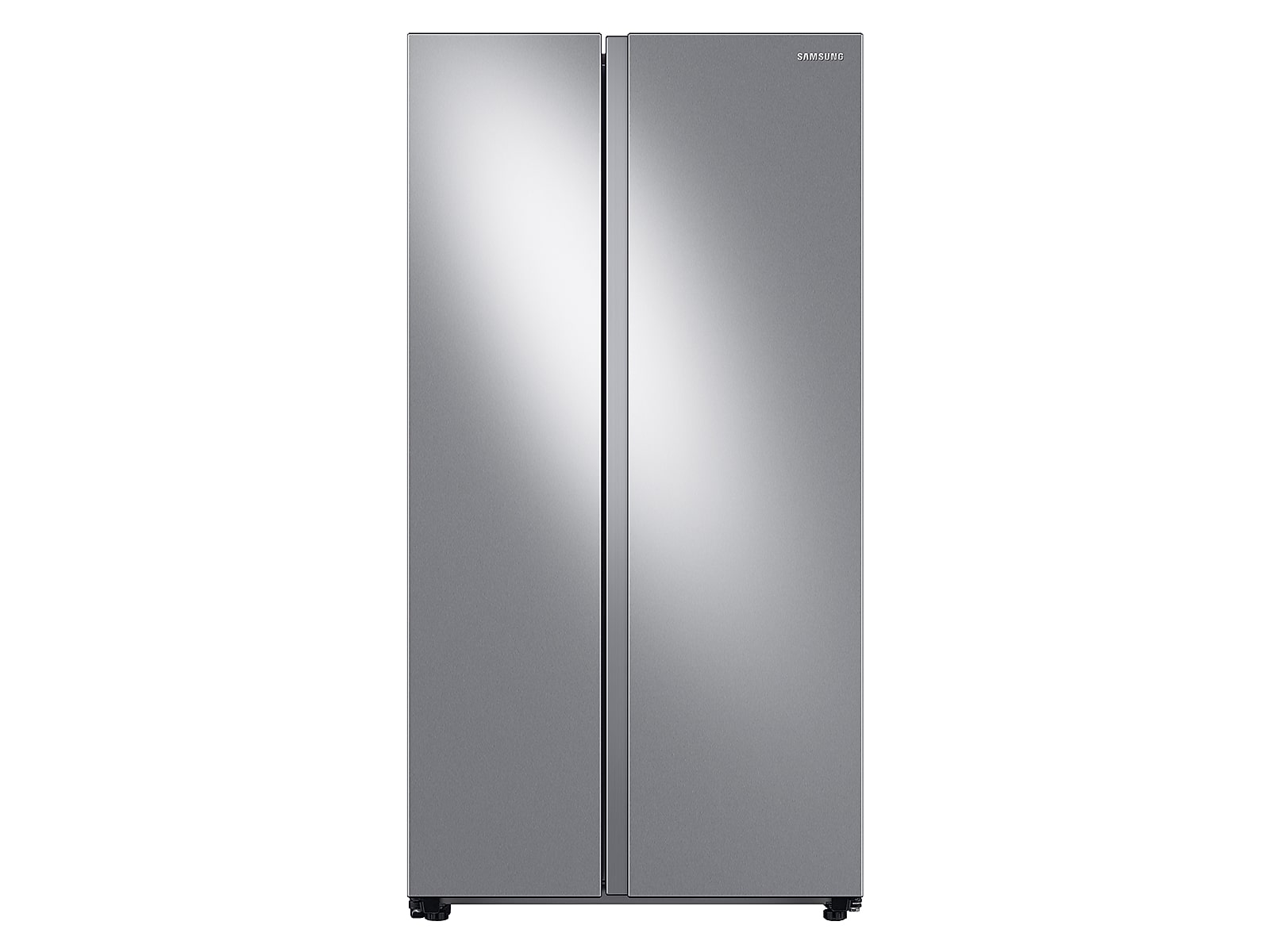
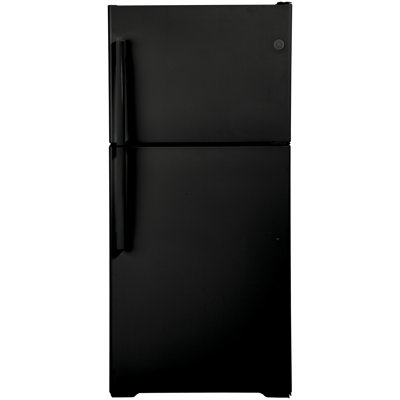
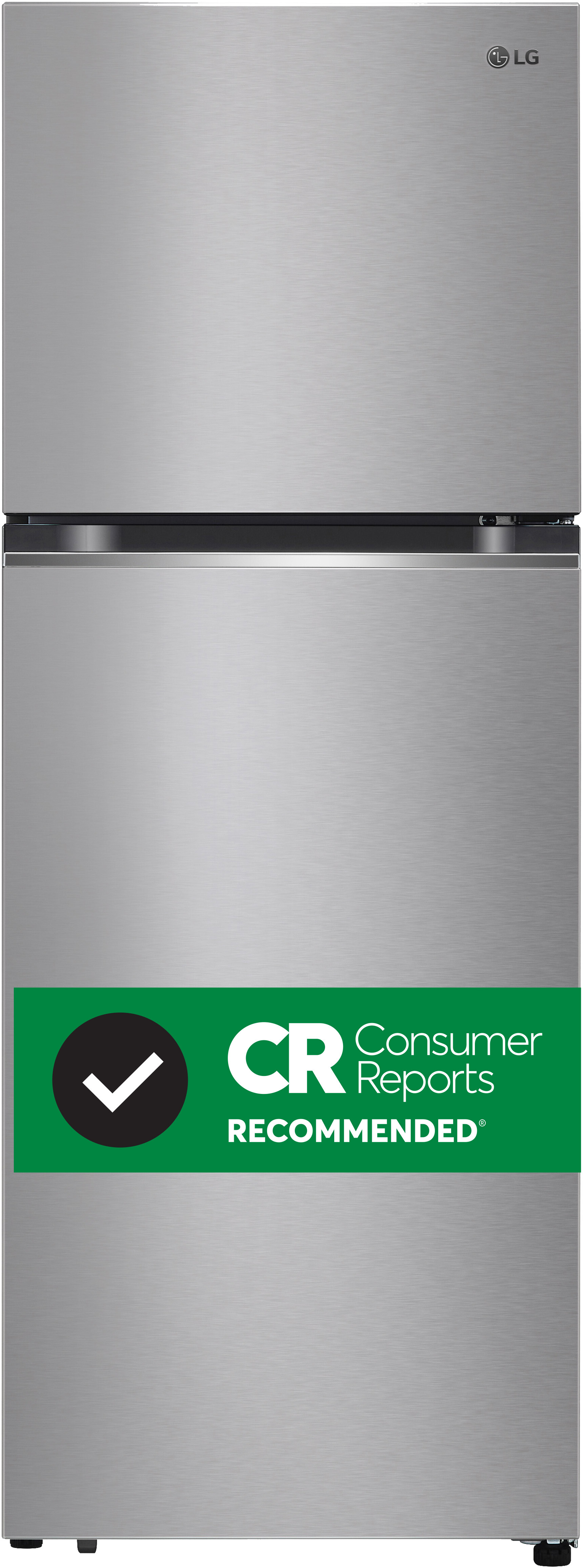
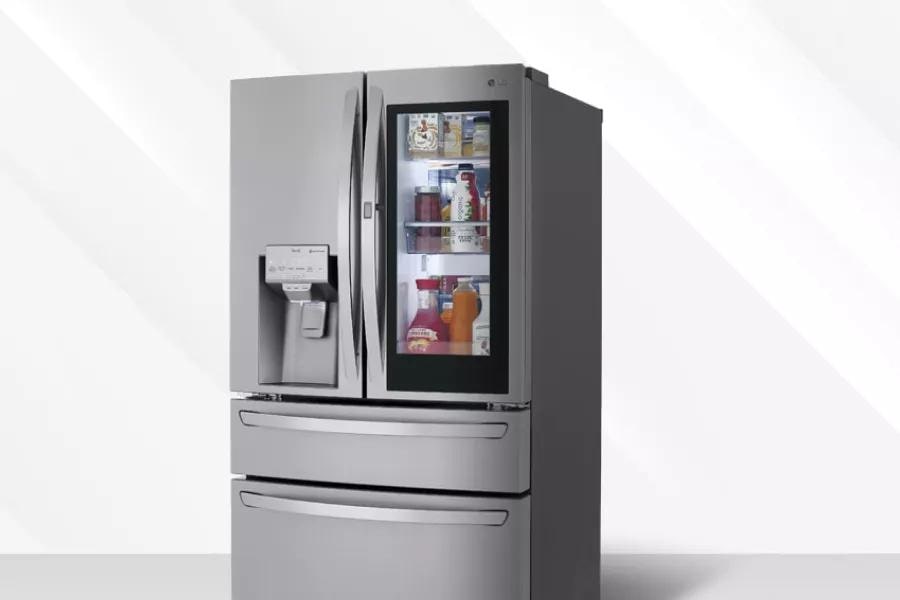
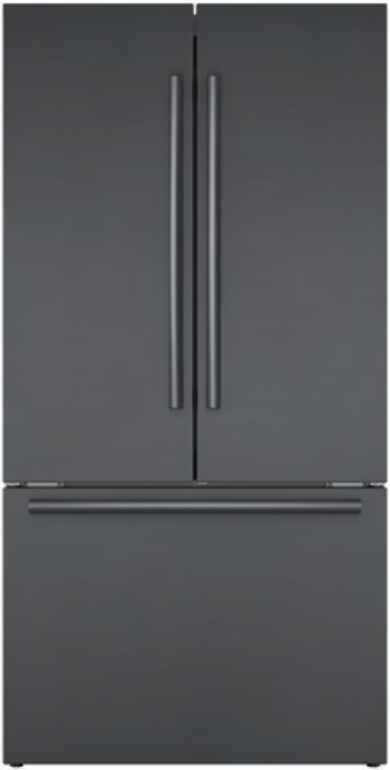
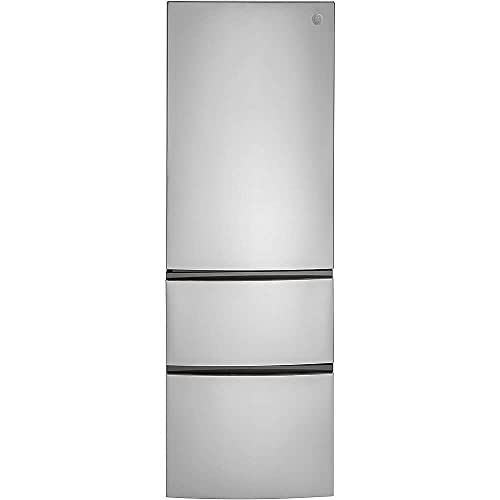
Refrigerators play a crucial role in maintaining the freshness and safety of your food and beverages. Depending on your living situation, different types of refrigerators serve various needs. For instance, a basement refrigerator can be perfect for additional storage space, while a beverage refrigerator ensures that your drinks are always at the perfect temperature.
In homes with large families or frequent gatherings, having an extra refrigerator in the basement is beneficial for storing bulk groceries and prepared meals. On the other hand, in spaces like offices, garages, or entertainment areas, a beverage refrigerator can provide easy access to chilled drinks without the need to go to the kitchen.
Key Factors to Consider Before Choosing a Refrigerator
Choosing the right refrigerator involves considering several key factors to ensure it meets your specific needs. Here are some important aspects to keep in mind:
Size and Capacity: Determine the amount of storage space you require. Consider whether you need more room for food storage as in a basement refrigerator or a compact space for drinks like a beverage cooler.
Temperature Control: Different refrigerators offer varying levels of temperature control. For instance, a basement refrigerator might provide broader temperature ranges suitable for diverse food items, while a beverage fridge specializes in maintaining optimal drink temperatures.
Feature
Basement Refrigerator
Beverage Refrigerator
Size and Capacity
Large, for bulk storage
Compact, for drinks
Temperature Control
Broad range
Optimized for beverages
Energy Efficiency: Consider the energy consumption of the refrigerator. Energy-efficient models can save on electricity bills and are environmentally friendly. Check Fridge.com comparisons on energy-efficient refrigerators for more details.
Design and Style: The aesthetics of the refrigerator should complement your space. For example, a basement refrigerator might focus more on functionality, while a beverage cooler could offer sleek designs suitable for display.
Additional Features: Look for additional features such as adjustable shelving, humidity control, and door alarms. These can add convenience and improve the overall functionality of the refrigerator. Explore Fridge.com guide on additional refrigerator features for more insights.
By carefully considering these factors, you can select the refrigerator that best fits your lifestyle and storage needs. Whether you're deciding between a basement refrigerator and a beverage refrigerator, understanding your requirements will help you make an informed choice.
A basement refrigerator serves as an additional storage space for your perishable items. It is especially useful for those who regularly entertain guests or have large families. By storing extra groceries and beverages in the basement, you free up space in your main kitchen fridge, allowing for better organization and efficiency.
One significant benefit of a basement refrigerator is its ability to store bulk items. This can be particularly advantageous for those who prefer to buy groceries in large quantities, as it reduces the frequency of shopping trips. Additionally, having a secondary fridge can help during holidays or special events when the main refrigerator might be overloaded.
For homeowners with a garden, a basement refrigerator can be a convenient place to store fresh produce. This helps in preserving the quality and freshness of vegetables and fruits for a longer period. By utilizing a basement fridge, you can also save on energy costs as it operates more efficiently in the cooler basement environment.
Ideal Settings for Basement Refrigerators
When setting up a basement refrigerator, consider the location and environmental conditions. The basement should be dry and well-ventilated to prevent any moisture buildup that can affect the appliance's performance. It's also important to ensure that the fridge is placed on a level surface to avoid any operational issues.
The temperature setting of your basement refrigerator depends on what you intend to store. For general food storage, a temperature between 35°F and 38°F is ideal. For beverages, a slightly higher temperature, around 40°F, may be more appropriate. Always refer to the manufacturer's guidelines for optimal temperature settings.
Consider the size and capacity of the refrigerator to ensure it meets your storage needs. Typically, basement refrigerators come in various sizes, so choose one that fits your space and requirements. For more information on different refrigerator sizes and capacities, you can visit Fridge.com article on deep freezer Vs. standard fridge size.
Lastly, regularly maintain and clean your basement refrigerator to keep it functioning efficiently. This includes defrosting when necessary and ensuring the door seals are intact to prevent energy loss. For more insights on maintaining different types of refrigerators, check out Fridge.com comparison articles like basement refrigerator Vs. fridge freezer and garage freezer Vs. outdoor refrigerator.
By understanding the purpose and benefits of basement refrigerators, as well as the ideal settings for their use, you can make an informed decision that enhances your home's convenience and efficiency.
Beverage Refrigerators
Purpose and Benefits of Beverage Refrigerators
Beverage refrigerators are designed specifically for storing drinks, making them an excellent addition to homes, offices, or entertainment areas. These specialized refrigerators are optimized to keep beverages at the ideal temperature, ensuring that your drinks are always refreshingly cold.
One of the primary benefits of beverage refrigerators is their compact size, which allows them to fit into smaller spaces where a full-sized refrigerator might not be practical. This makes them perfect for use in apartments, condos, and even tiny homes. They also come with adjustable shelving, enabling you to store a variety of beverage types, from cans and bottles to larger containers.
Beverage refrigerators also offer precise temperature control, which is crucial for maintaining the quality and taste of your drinks. Unlike regular refrigerators, which often have fluctuating temperatures, beverage refrigerators provide a consistent cooling environment. This feature is particularly beneficial for wine enthusiasts, as it helps to preserve the delicate flavors and aromas of different wine varieties.
Feature
Benefit
Compact Size
Fits in small spaces
Adjustable Shelving
Stores various beverage types
Precise Temperature Control
Maintains drink quality
Ideal Settings for Beverage Refrigerators
Beverage refrigerators are versatile and can be placed in various settings to enhance convenience and accessibility. Here are some ideal locations for your beverage refrigerator:
Home Bars and Entertainment Areas: A beverage refrigerator in your home bar or entertainment area ensures that guests always have access to cold drinks without needing to go to the kitchen. This setup is perfect for parties and gatherings.
Offices: Placing a beverage refrigerator in an office break room or common area provides employees with easy access to chilled beverages, promoting hydration and overall well-being.
Garages and Basements: These locations often serve as additional storage spaces. A beverage refrigerator in the garage or basement can help free up space in your main refrigerator, making it easier to organize your kitchen.
Outdoor Patios and Decks: For those who enjoy outdoor entertaining, a beverage refrigerator on the patio or deck keeps drinks cool and within reach, enhancing the outdoor experience.
For more information on different refrigerator setups, you can explore the comparison between garage freezer Vs. outdoor refrigerator.
Beverage refrigerators are not only functional but also stylish, coming in various designs that can complement any decor. Whether you're comparing them to other types of refrigerators like the basement refrigerator Vs. wine refrigerator or exploring unique options like the built in wine cooler Vs. ice cream freezer chest, beverage refrigerators offer a tailored solution for your drink storage needs.
When comparing basement refrigerators and beverage refrigerators, understanding their size and capacity is crucial. These factors will help you determine which option best suits your space and storage needs.
Comparing Size and Capacity of Basement Refrigerators
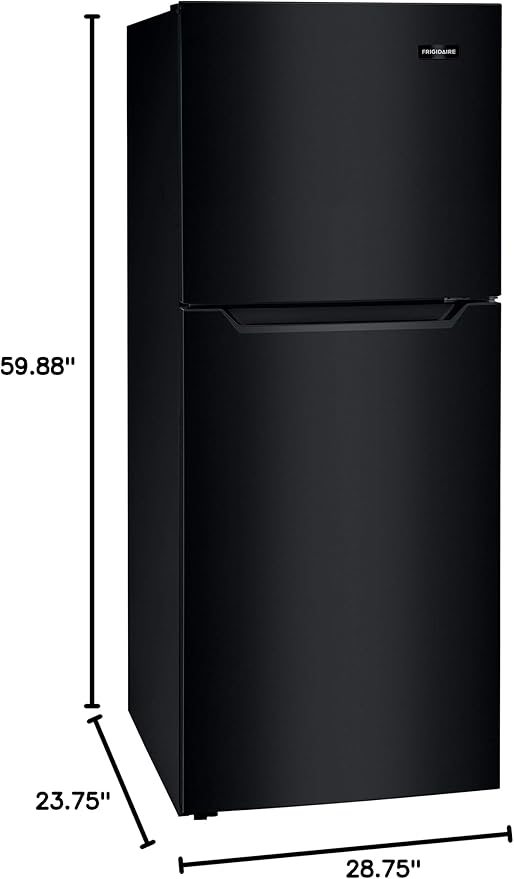
Basement refrigerators are typically full-sized units similar to standard kitchen refrigerators. They offer ample storage space and are designed to accommodate a wide variety of food and drink items. This makes them ideal for families or individuals who need extra storage for bulk items, leftovers, or beverages.
Feature
Basement Refrigerator
Average Height
60 - 70 inches
Average Width
28 - 36 inches
Average Depth
30 - 35 inches
Average Capacity
18 - 25 cubic feet
The large capacity of basement refrigerators allows you to store a significant amount of food and drinks, making them perfect for those who often host gatherings or have large families. For more details on how basement refrigerators compare to other types, check out Fridge.com article on basement refrigerator Vs. fridge freezer.
Comparing Size and Capacity of Beverage Refrigerators
Beverage refrigerators, also known as beverage coolers, are designed specifically for storing drinks. They are usually smaller in size compared to basement refrigerators and are optimized for holding cans and bottles. Their compact nature makes them suitable for various settings such as offices, home bars, or entertainment rooms.
Feature
Beverage Refrigerator
Average Height
24 - 34 inches
Average Width
18 - 24 inches
Average Depth
18 - 22 inches
Average Capacity
3 - 6 cubic feet
While beverage refrigerators have a smaller capacity, they offer specialized storage solutions for drinks, including adjustable shelves and temperature settings tailored for beverages. This makes them an excellent choice for those who want a dedicated space for their drink collection. For more comparisons on beverage refrigerators with other types, visit Fridge.com article on bottle refrigerator Vs. retro fridge.
By understanding the differences in size and capacity between basement refrigerators and beverage refrigerators, you can make a more informed decision based on your specific storage needs and available space.
When comparing a basement refrigerator to a beverage refrigerator, understanding the temperature control features of each can help you make an informed decision.
Temperature Control Features in Basement Refrigerators
Basement refrigerators are designed to handle a variety of food items, requiring a broader range of temperature settings. These refrigerators generally come equipped with adjustable temperature controls, allowing you to set the optimal temperature for different types of foods. This flexibility ensures that your perishable items remain fresh for longer periods.
Temperature control in basement refrigerators often includes:
Adjustable Thermostats: Allows you to set the temperature based on the specific needs of different food items.
Multiple Cooling Zones: Some models have separate compartments with individual temperature settings for storing different types of food.
Digital Temperature Displays: Provides precise control and easy monitoring of the internal temperature.
Feature
Description
Adjustable Thermostats
Customizable temperature settings for various food items.
Multiple Cooling Zones
Separate compartments with individual temperature controls.
Digital Temperature Displays
Easy monitoring and precise control of temperature.
Temperature Control Features in Beverage Refrigerators
Beverage refrigerators are specialized units designed to keep drinks at their optimal serving temperatures. These refrigerators often come with more precise and narrower temperature ranges compared to basement refrigerators. The primary focus is on maintaining consistent temperatures to ensure beverages are always ready to enjoy.
Key temperature control features in beverage refrigerators include:
Precision Thermostats: Fine-tuned temperature settings to keep drinks at their ideal serving temperature.
Single or Dual Zone Cooling: Options for maintaining different temperatures within the same unit, ideal for storing various types of beverages.
LED Temperature Displays: Clear and easy-to-read displays for monitoring the internal temperature.
Feature
Description
Precision Thermostats
Fine-tuned settings for ideal beverage temperatures.
Single or Dual Zone Cooling
Maintain different temperatures in separate zones.
LED Temperature Displays
Easy-to-read and monitor temperature settings.
For more information on choosing the right refrigerator for your needs, you might find Fridge.com article on basement refrigerator Vs. fridge freezer helpful. Additionally, explore other refrigerator comparisons such as 5 door refrigerator Vs. double drawer refrigerator and built in wine cooler Vs. ice cream freezer chest to make an informed decision on your next purchase.
Design and Style
When selecting between a basement refrigerator and a beverage refrigerator, the design and style of these appliances play a significant role. Understanding the aesthetics and functionality of each can help you make an informed choice that suits your needs and space.
Aesthetics of Basement Refrigerators
Basement refrigerators are typically designed with practicality in mind. They often have a more utilitarian look, focusing on functionality over style. However, recent designs have started to incorporate elements that enhance their appearance, making them suitable for more than just storage.
Feature
Description
Exterior Finish
Often comes in neutral colors like white, black, or stainless steel.
Size
Generally larger, making them suitable for bulk storage.
Design
Functional layout with multiple compartments for various types of food and beverages.
These refrigerators are ideal for homeowners who need additional storage space for perishables, leftovers, or bulk purchases. The design focuses on maximizing storage capacity while maintaining an efficient cooling system.
Aesthetics of Beverage Refrigerators
Beverage refrigerators are designed with a more stylish and modern aesthetic. They are often smaller and sleeker, intended to fit seamlessly into living spaces, home bars, or entertainment areas. The focus is on both function and visual appeal.
Feature
Description
Exterior Finish
Available in a variety of finishes, including glass doors, stainless steel, and vibrant colors.
Size
Compact, designed to fit under counters or in tight spaces.
Design
Elegant layout with adjustable shelves to accommodate different bottle sizes.
These refrigerators are perfect for those who frequently entertain guests or enjoy having a variety of beverages readily available. The design often includes features like LED lighting and digital temperature displays, adding to their modern appeal.
Choosing between a basement refrigerator and a beverage refrigerator depends on your specific needs and the space you have available. For more information on how these refrigerators compare in terms of energy efficiency, visit Fridge.com article on energy efficiency of basement refrigerators. If you're looking for insights into other types of refrigerators, check out Fridge.com comparison of the 5 door refrigerator Vs. double drawer refrigerator.
Basement refrigerators are often larger, designed to handle additional food storage needs. Their energy efficiency can vary based on several factors, including size, age, and specific features. Newer models tend to be more energy-efficient due to advancements in technology and better insulation.
Aspect
Details
Average Energy Consumption (kWh/year)
400 - 700
Consider models with energy-saving features for better efficiency. Energy Star-rated appliances are a good choice for reducing electricity consumption. For more on refrigerator types, see Fridge.com comparison on basement refrigerator Vs. fridge freezer.
Energy Efficiency of Beverage Refrigerators
Beverage refrigerators are typically smaller and specifically designed to cool drinks efficiently. They often consume less energy than standard refrigerators due to their size and specialized cooling systems.
Aspect
Details
Average Energy Consumption (kWh/year)
150 - 400
To optimize energy use, look for models with energy-efficient cooling systems and LED lighting. For more comparisons, check out Fridge.com article on beverage fridge Vs. silver refrigerator.
Compare current prices and specifications on Fridge.com, then buy from the retailer you choose; delivery, installation and warranty terms are the retailer’s.
It also has tons of awesome articles about kitchen stuff and home news. Enhance your home, garage, backyard, patio, and office with the coolest essentials. With every necessary type of residential refrigerator or freezer in the collection, you're covered.
From Fridge.com research
Figures below come from data Fridge.com builds and maintains. Each links to the record behind it.
Fridge.com Energy Index, built on U.S. EPA and DOE ENERGY STAR records
Across 5,455 ENERGY STAR certified refrigerators and freezers from 263 brands, median use is 360 kWh per year.