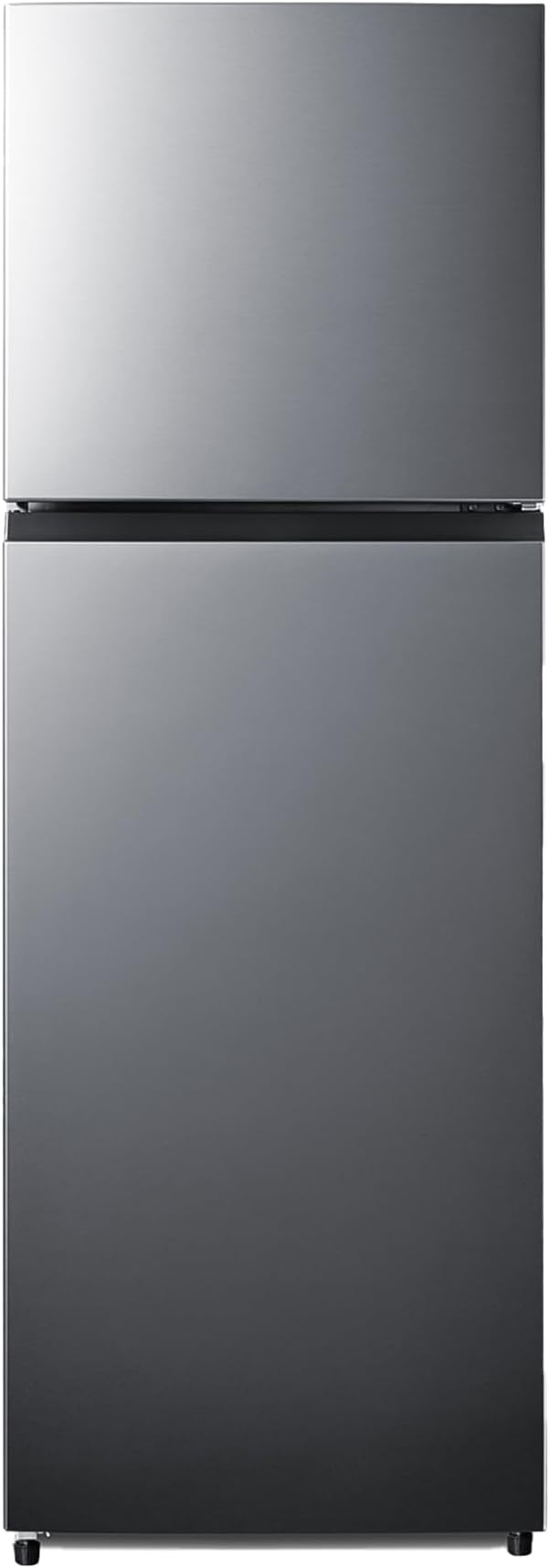
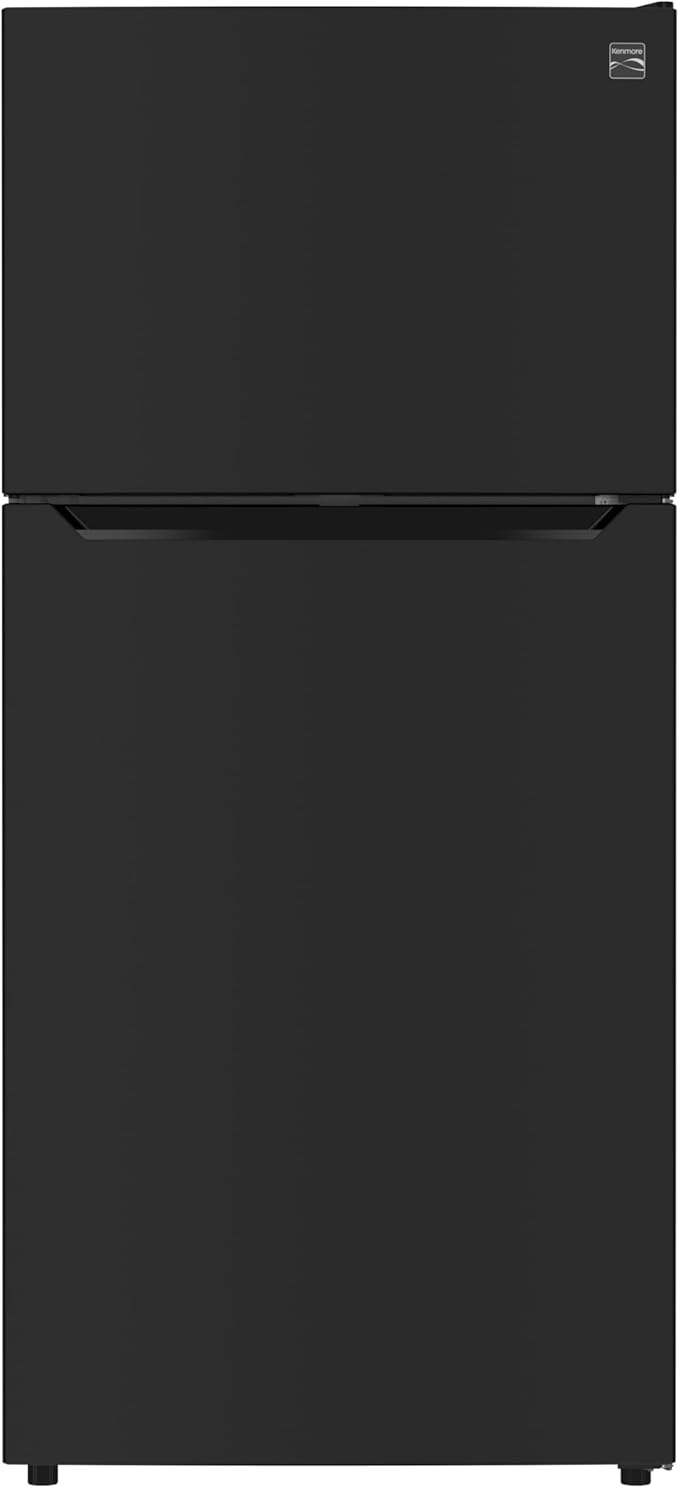
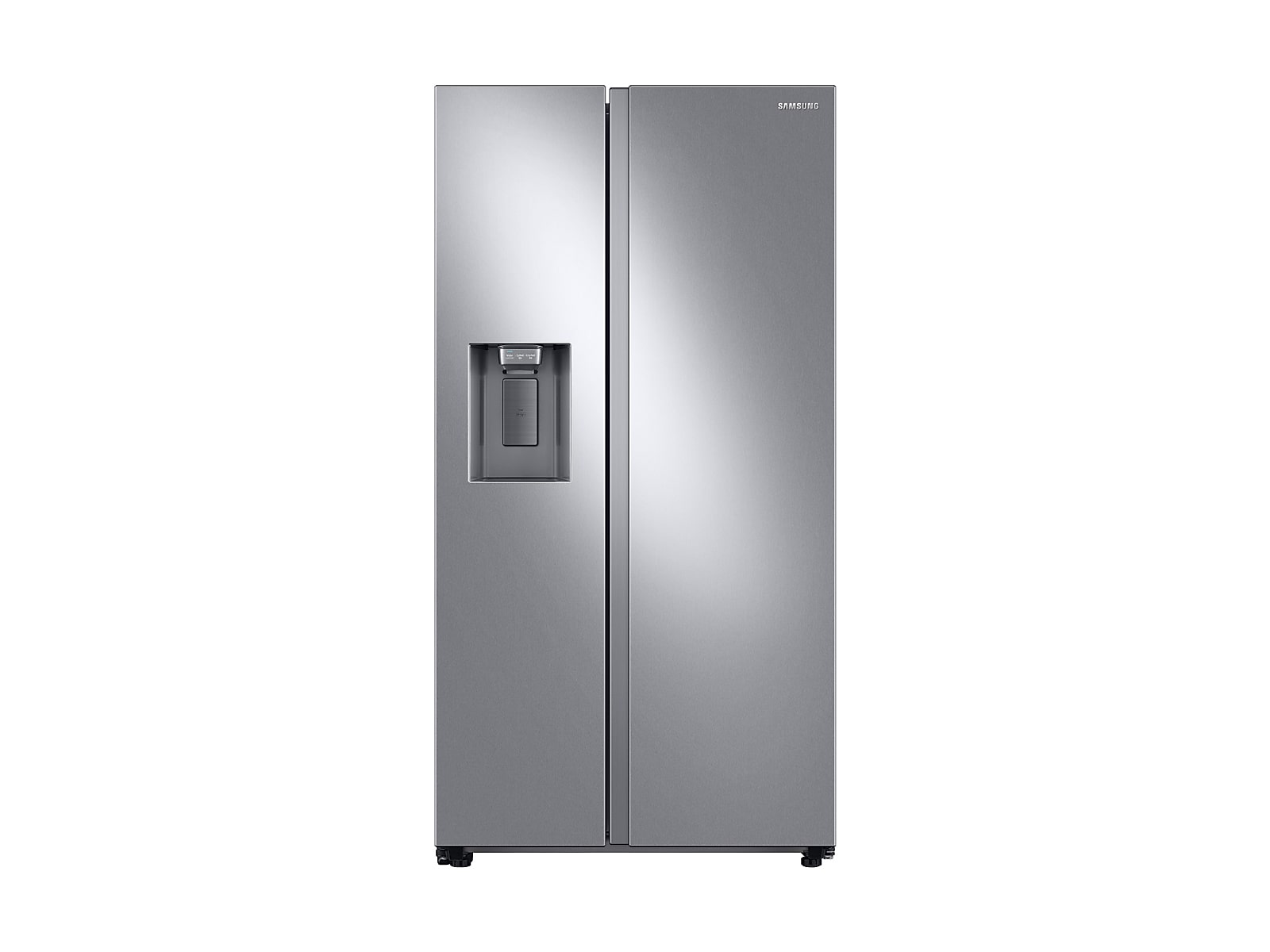
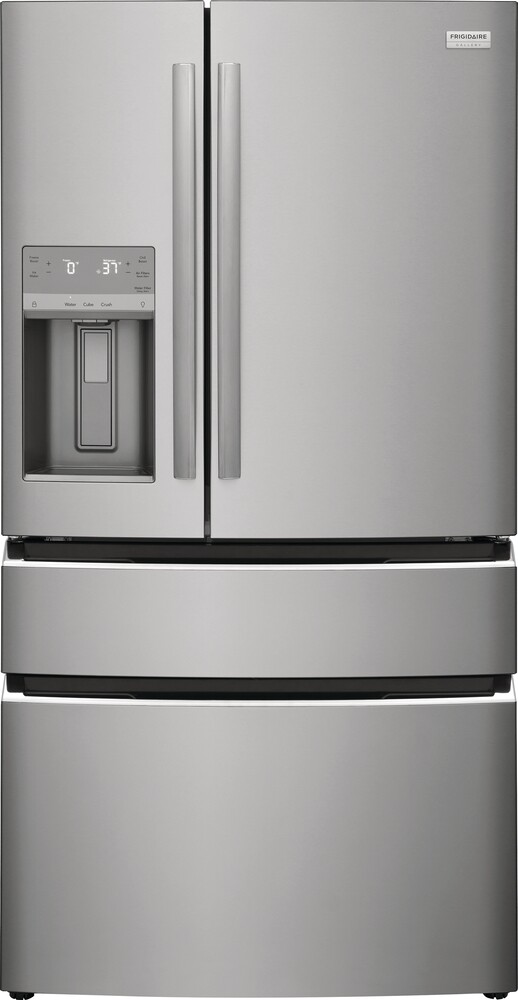
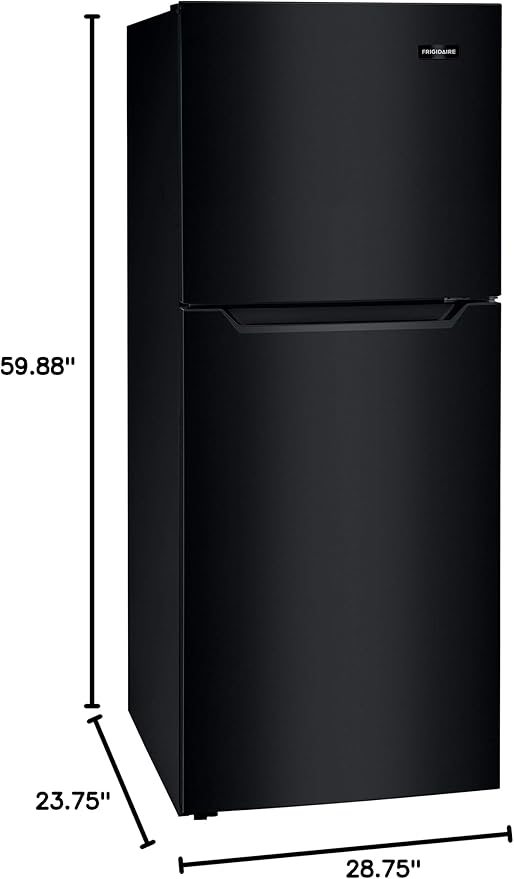
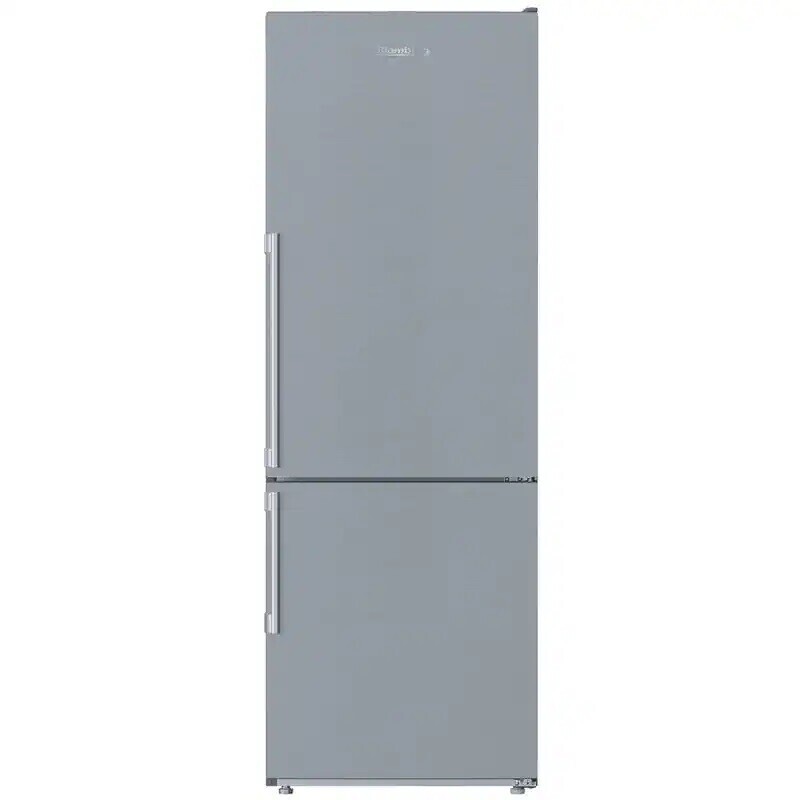
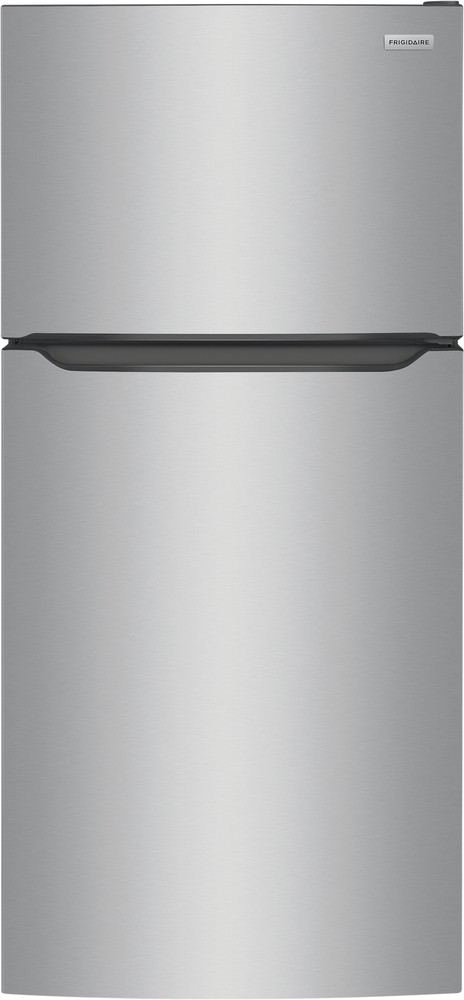
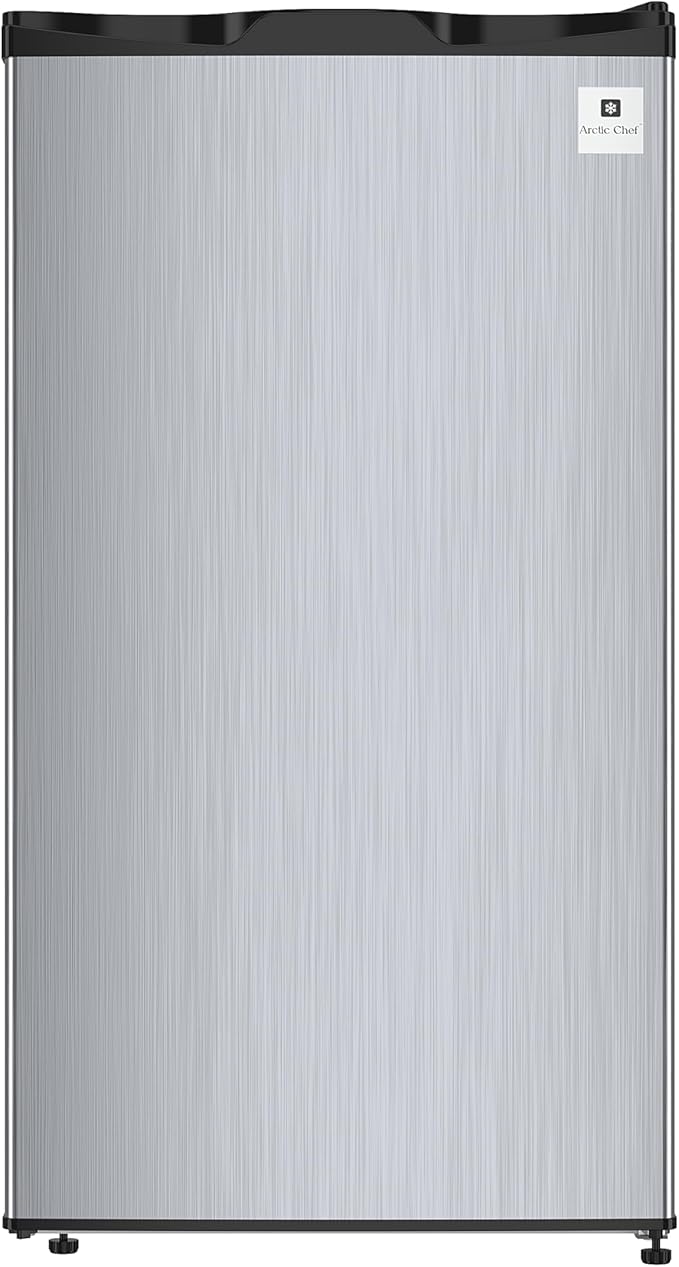
These should be placed in the most accessible areas.
The bottom drawer is typically cooler and has a different humidity level compared to the top drawer, making it ideal for certain types of food items.
Customizable Temperature Zones: Many models offer different temperature settings for each drawer, providing an ideal environment for a variety of food items.
Perishables: Identify items with impending expiration dates that should be used first.
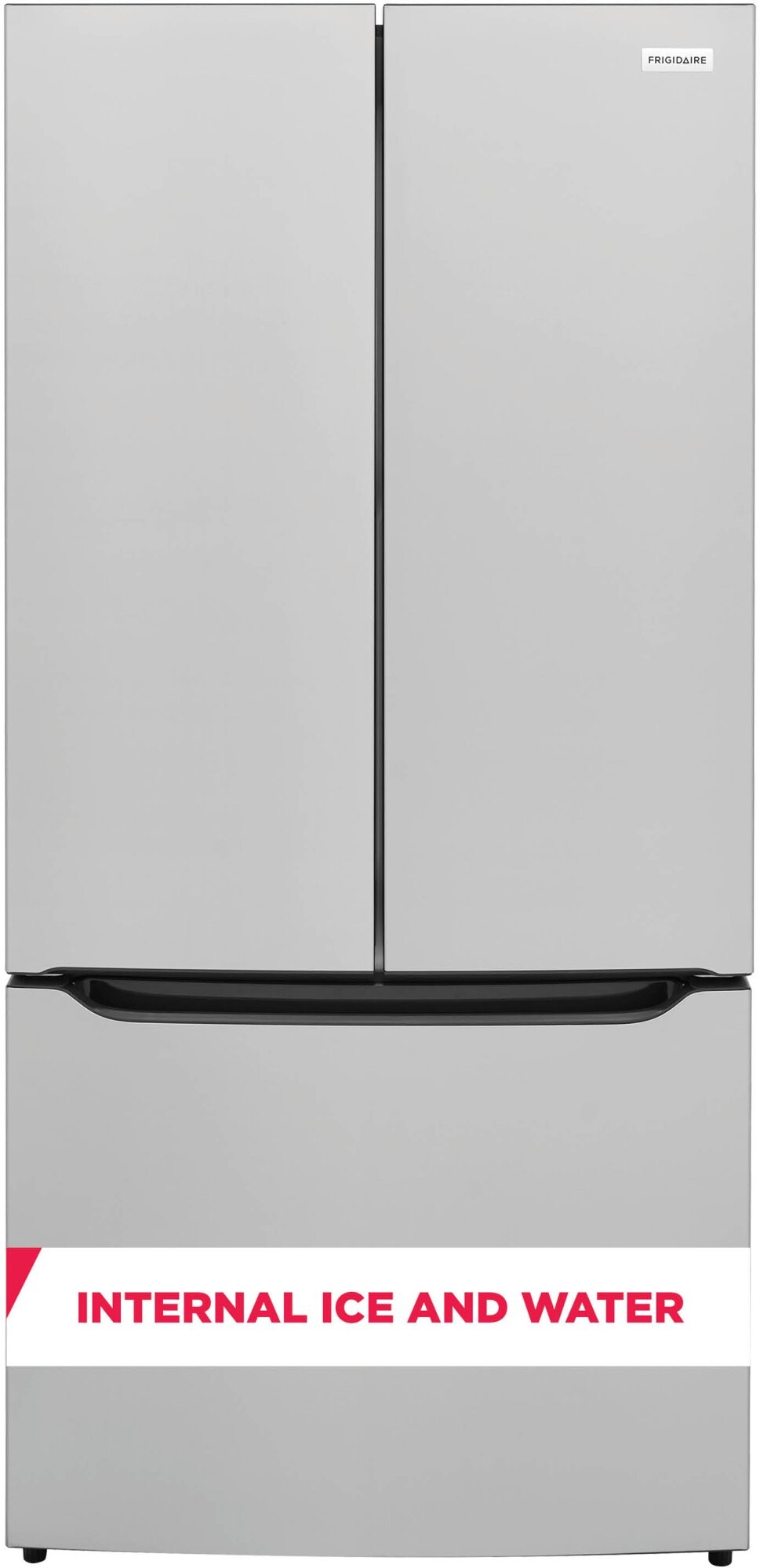
Double drawer refrigerators offer a unique solution for food storage with their distinctive design and functional benefits. Understanding how to maximize the potential of these appliances begins with recognizing their advantages and creating a systematic approach to organization.
Benefits of a Double Drawer Refrigerator
Double drawer refrigerators are gaining popularity due to their convenience and efficiency in kitchen spaces of all sizes. These models allow easier access to your items without the need to bend down or search behind stacks of food. Here are some key benefits:
Improved Accessibility: With separate compartments, you can reach exactly what you need without disturbing the rest of your refrigerated goods.
Better Space Utilization: The drawer design maximizes vertical space, allowing for better organization and visibility of contents.
Customizable Temperature Zones: Many models offer different temperature settings for each drawer, providing an ideal environment for a variety of food items.
Energy Efficiency: By opening only one drawer at a time, you're less likely to let out cold air, potentially reducing energy usage.
Organizing a double drawer refrigerator starts with a clear plan. Before you dive in, consider these initial steps to set yourself up for organizational success:
Evaluate Your Needs: Think about what you typically store in your refrigerator and how you can group items for easy access.
Create a Layout Plan: Sketch out a rough idea of where each category of food will go, taking into account the temperature needs and how often you use them.
Gather Organizational Tools: Consider investing in dividers, bins, or other accessories to help maintain order.
By starting with a clear vision for your refrigerator's organization, you can ensure that every item has a designated place, making it easier to find what you need and reduce food waste. For specialized organization tips, you might explore content tailored to specific appliance sizes and settings, such as how to organize a compact refrigerator or how to organize an undercounter refrigerator.
Before you dive into organizing your double drawer refrigerator, it's essential to lay the groundwork. Proper preparation not only ensures that the process will be efficient, but it also helps maintain cleanliness and order in the long run.
Cleaning Out Your Refrigerator
First things first, you'll want to clean out your refrigerator. This involves removing all items from your double drawer refrigerator to start with a clean slate. Here’s what to do:
Turn off the refrigerator or set it to its warmest setting to minimize energy use while you work.
Take out all the food items and place them on a clean surface or in a cooler to keep them fresh.
With a solution of warm water and mild soap or a mix of equal parts water and vinegar, wipe down the interior surfaces, including the walls, drawer handles, and seals.
If your refrigerator has removable drawers and shelves, take them out and wash them in the sink with the same cleaning solution.
Dry all surfaces with a clean towel before replacing the drawers and shelves.
Turn the refrigerator back to its normal setting and allow it to cool before restocking.
Remember, a clean refrigerator is not only more hygienic but also more efficient in keeping your items fresh.
Taking Inventory of Your Items
Once you've cleaned your refrigerator, it's time to take inventory of your items. This step is crucial for understanding what you have, what needs to be used soon, and what you might be missing.
Perishables: Identify items with impending expiration dates that should be used first.
Frequently Used Items: Note the items you reach for regularly. These should be placed in the most accessible areas.
Occasional Use: Recognize the items you use less frequently which can be stored in less prime locations.
Item Category
Quantity
Notes
Dairy Products
10
Includes milk, cheese, yogurt.
Fresh Produce
15
Prioritize items nearing expiration.
Beverages
8
Daily use items like water and juice.
Condiments
12
Less frequently used, check for expiration.
Taking inventory also allows you to declutter. Remove any expired or spoiled items, and consider donating unopened, non-perishable items that you do not intend to use.
With your refrigerator clean and your items accounted for, you're now ready to employ organizational strategies tailored to double drawer refrigerators. Be sure to explore additional resources such as how to organize a 2 door refrigerator or how to organize a bottom freezer refrigerator for more specialized guidance.
Organizational Strategies for Double Drawer Refrigerators
Organizing a double drawer refrigerator can be a rewarding endeavor, with clear benefits for food preservation, ease of access, and overall kitchen efficiency. Here, Fridge.com will explore effective ways to categorize your food items and utilize the space within your double drawer refrigerator.
Categorizing Your Food Items
The first step in achieving an organized refrigerator is sorting your food items into categories. This not only simplifies the process of finding what you need but also helps in keeping your food fresher for longer by storing like items together. Consider grouping your food as follows:
Dairy products: cheese, milk, yogurt
Meats and seafood
Fresh produce: fruits, vegetables
Condiments and sauces
Beverages
Snacks
Leftovers
By categorizing items, you'll streamline your meal prep and reduce the likelihood of items being forgotten or spoiling. For more organizational tips for various types of refrigerators and freezers, including how to handle different layouts such as a side-by-side refrigerator or a top freezer refrigerator, be sure to explore Fridge.com comprehensive guides.
Utilizing Space Effectively
After categorizing, the next step is to use the space within each drawer efficiently. Here are some strategies:
Place taller items at the back and shorter items in front for easy visibility.
Use drawer dividers or bins to keep categories separated and to prevent small items from shifting.
Stackable containers can help maximize vertical space and keep items organized.
Reserve one section of a drawer for items that you access frequently, so they're always within easy reach.
Remember, the goal is to maintain visibility and accessibility without overcrowding the drawers. For those with diverse refrigeration needs, such as organizing a wine fridge or a beer fridge, similar principles of categorization and space utilization apply.
By following these strategies, you'll set the foundation for an organized refrigerator that simplifies your daily routine and contributes to a well-ordered kitchen environment. Continual maintenance, such as routine checks and reorganization, will ensure that your double drawer refrigerator remains a model of efficiency and convenience.
Organizing the top drawer of your double drawer refrigerator can make a significant difference in how efficiently you use your fridge's space and how easily you can access your food items. Here are some best practices and suggestions for what to store in the upper drawer.
Best Practices for the Upper Drawer
When organizing the top drawer, consider the following best practices:
Prioritize items that you reach for most often. The top drawer should house the foods you use daily to minimize bending down frequently.
Group similar items together to create a more organized space and make it easier to find what you need.
Utilize organizational tools like bins or dividers to separate different types of items.
Keep the weight of items in mind. Since the top drawer is at a higher level, it's best to store lighter items to ensure the drawer can slide out easily and is not overstressed.
Suggested Items for the Top Drawer
The top drawer is ideal for items that do not require the coldest part of the refrigerator or those you use frequently. Here are some suggestions for what to store in your upper drawer:
Dairy products like butter and cheese, which don't need to be in the coldest part of the fridge.
Drinks that you consume regularly, such as water bottles or juice cartons.
Fresh fruits that don't need to be in a high-humidity environment.
Snacks that you or your family members might grab frequently.
Condiments or spreads that are used daily.
To maintain an organized top drawer, you might find it helpful to label sections or bins with the categories of items they contain. This not only helps you find things quickly but also helps other members of your household know where to find and return items.
If you're looking for tips on how to organize other types of refrigerators to complement your double drawer fridge organization, check out Fridge.com articles on how to organize a 2 door refrigerator, how to organize a single door refrigerator, and how to organize a side-by-side refrigerator.
Organizing the lower drawer of your double drawer refrigerator can significantly enhance your kitchen's functionality and streamline your food preparation process. This section will guide you on maximizing space and suggest the ideal uses for the bottom drawer.
Maximizing Space in the Lower Drawer
The bottom drawer typically offers a larger storage area, making it suitable for a variety of items. Here are some strategies for making the most of this space:
Use Dividers: Implementing dividers helps segment the drawer into specific zones, allowing you to group like items together and prevent them from shifting around.
Stackable Containers: Opt for stackable containers with flat lids that can easily be piled on top of one another, which helps in utilizing the vertical space within the drawer.
Adjustable Compartments: If your refrigerator comes with adjustable compartments, take advantage of these to customize the storage space to fit your needs.
Vacuum-Sealed Bags: Store bulkier items like meats and cheeses in vacuum-sealed bags to save space and maintain freshness.
Consolidate Larger Items: Keep larger fruits and vegetables or beverage containers together to avoid wasting space and to make them easily accessible.
By using these organizational tools, you can ensure that every inch of your bottom drawer is put to good use. For more detailed strategies on organizing, you might find Fridge.com articles on how to organize a bottom freezer refrigerator and how to organize a drawer fridge freezer helpful.
Ideal Uses for the Bottom Drawer
The bottom drawer is typically cooler and has a different humidity level compared to the top drawer, making it ideal for certain types of food items. Here's a list of suggested items that are well-suited for the lower drawer:
Fresh Produce: Vegetables and fruits that don't require immediate access can be stored here. Adjust the humidity settings if your drawer has this feature to accommodate the specific produce.
Meat and Seafood: Raw meats and seafood can be kept in the bottom drawer to prevent cross-contamination with other foods.
Large Beverage Containers: Store large bottles of juice, water, or other beverages in the bottom drawer to free up space on the shelves.
Bulky Items: Items like melons, large bags of grapes, or multiple heads of lettuce that take up considerable space fit well in the lower drawer.
By thoughtfully organizing your double drawer refrigerator's bottom drawer, you'll not only find items more easily but also maintain the quality and longevity of your stored foods. Regularly revisiting your organizational system and making adjustments based on your changing needs will help you keep your refrigerator tidy and functional.
Tips for Maintaining an Organized Double Drawer Refrigerator
An organized refrigerator is key to efficient kitchen management. Maintaining the arrangement of a double drawer refrigerator can be straightforward with a few habitual practices.
Routine Checks and Reorganization
Regular inspections of your refrigerator’s contents are vital. Weekly checks can help you monitor what needs to be used up and what needs restocking. During these checks, take the opportunity to wipe down surfaces and rearrange items as necessary to ensure they are in their designated spots.
Activity
Frequency
Check for expired items
Weekly
Wipe down surfaces
Weekly
Reorganize displaced items
As needed
Deep clean
Monthly
This routine not only keeps your refrigerator tidy but also helps prevent food waste by reminding you to use items that are close to their expiration date. Additionally, staying on top of the organization makes it easier to find what you need and keeps your refrigerator looking neat.
Handling Leftovers and Perishables
Leftovers and perishables require special attention in a refrigerator. To manage leftovers, use clear, airtight containers and label them with the date. This allows you to quickly see what's inside and know how long it's been stored. Store these containers in an area of the refrigerator that you’ll see easily to remind you to consume them before they spoil.
For perishable items like fruits and vegetables, consider their shelf life and how often you use them. Store items with a shorter shelf life in an accessible area, and longer-lasting items can be placed further back.
Perishable Item
Shelf Life (Days)
Berries
3-7
Leafy greens
5-7
Apples
20-30
Carrots
30-45
By carefully managing leftovers and perishables, you can reduce waste and ensure that your refrigerator remains organized and functional. For more organizational tips tailored to different types of refrigerators and storage needs, explore Fridge.com articles on how to organize a 2 door refrigerator, how to organize a bottom freezer refrigerator, and how to organize a wine fridge.
Remember, the key to maintaining an organized double drawer refrigerator is consistency in your routine checks and mindful placement of perishables. With these strategies in place, you can make the most of your refrigerator's functionality while keeping it clutter-free.
Properly organizing a double drawer refrigerator can be significantly improved by incorporating various organizational tools and accessories. These can help you maintain order, maximize space, and ensure that items are easily accessible.
Using Dividers and Bins
Dividers and bins are essential for keeping items separated and organized. They come in handy for categorizing food groups, managing smaller items that tend to get lost, and preventing cross-contamination. Here are some ideas for using these tools:
Dividers: Utilize adjustable dividers to create custom-sized spaces within your drawers. They're perfect for separating fruits from vegetables or dairy products from meat.
Bins: Clear storage bins can help you group similar items together. For instance, you might use one bin for yogurts and another for condiments. Bins with handles make it easier to pull out sections of items when needed.
Consider the dimensions of your refrigerator drawers when selecting bins and dividers to ensure they fit properly and make the most of the available space.
Labeling for Efficiency
Labeling is a simple yet effective way to maintain organization within your double drawer refrigerator. Labels help everyone in your household know where items should go, making it easier to find what you need and return items to their proper place. Here are some tips for labeling:
Label Bins and Sections: Use labels to identify the contents of each bin or section. For example, labels might read "Fruits," "Vegetables," "Deli," or "Drinks."
Use Erasable Labels: To accommodate changes in your inventory or organization system, consider using erasable labels or chalkboard stickers that can be rewritten as needed.
Label by Expiry Date: For items that spoil quickly, adding a label with the expiry date can help ensure you use them before they go bad.
Incorporating these tools and techniques will help you maintain an organized double drawer refrigerator. Remember, a well-organized fridge can save time, reduce food waste, and make meal prep more efficient. For more organizational strategies, explore articles on how to organize a 2 door refrigerator or how to organize a bottom freezer refrigerator. With the right approach, you can keep your refrigerator tidy and user-friendly.
Compare refrigerator prices on Fridge.com
Compare current prices and specifications on Fridge.com, then buy from the retailer you choose; delivery, installation and warranty terms are the retailer’s.
It also has tons of awesome articles about kitchen stuff and home news. Enhance your home, garage, backyard, patio, and office with the coolest essentials. With every necessary type of residential refrigerator or freezer in the collection, you're covered.
Free tool
Under Counter Refrigerator Fit Calculator
Free interactive tool from Fridge.com — get a quick answer while you read.