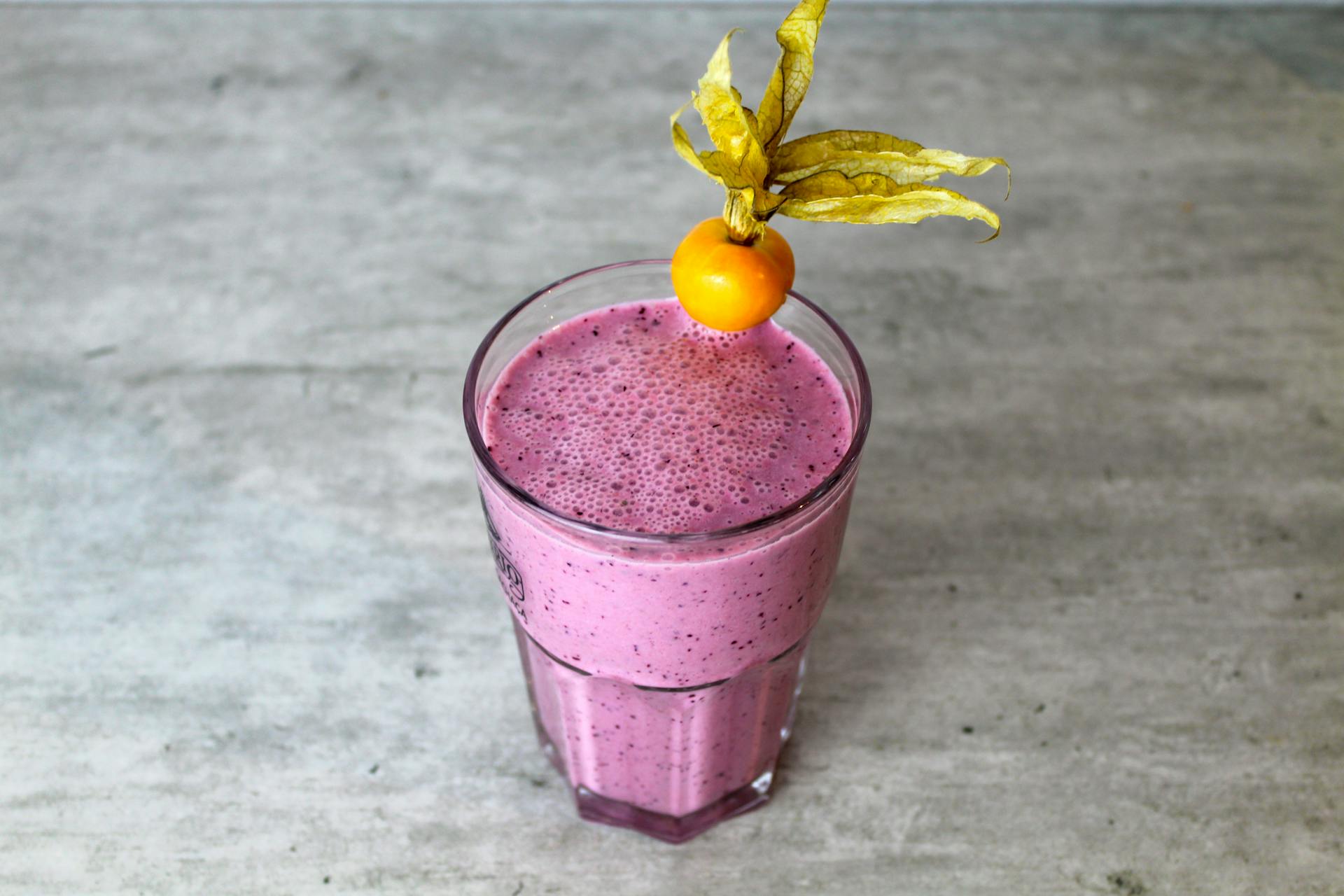
Because milk and yogurt are perishable, dairy and yogurt smoothies are best finished the same day and should not be kept longer than 24 hours in the fridge.
Smoothies made with milk or yogurt turn sour fastest and should be finished within 24 hours, ideally the same day.
Because a smoothie can spoil before or after the usual 24-to-48-hour window, always check it before drinking.
Most smoothies stay good for 24 to 48 hours when refrigerated in an airtight container at or below 40°F (4°C).
A smoothie lasts 24 to 48 hours in the refrigerator when it is sealed in an airtight container and kept at or below 40°F (4°C). Fresh fruit and green smoothies hold their best quality for one to two days, nut-based blends stretch to about two days, and dairy-based smoothies and milkshakes are best finished within 24 hours because milk and yogurt spoil quickly. For longer storage, a smoothie freezes well for up to three months. The clock starts the moment you blend, so the sooner you drink it, the better the flavor, color, and nutrition.
Smoothie Type
How Long It Lasts in the Fridge
Fresh Fruit Smoothie
1–2 days
Green / Vegetable Smoothie
1–2 days
Protein Smoothie
1 day
Dairy or Yogurt Smoothie
Within 24 hours (same day is best)
Nut-Based Smoothie
2 days
The fridge buys you time, but drinking your smoothie sooner rather than later is always the wisest move. If you need to store it longer, freezing is the better option. For a look at how other kitchen staples hold up, see how long does spaghetti sauce last in the fridge?.
Why does one smoothie stay fresh for two days while another separates and sours overnight? Shelf life comes down to five things: the ingredients, whether the blend contains dairy, the storage temperature, air exposure, and acidity.
Ingredients: Fresh fruits and vegetables spoil faster than frozen ones, and bananas brown especially quickly.
Temperature: Keep the refrigerator at or below 40°F (4°C) to slow bacterial growth and preserve the smoothie.
Preparation: Clean hands, washed produce, and sanitized equipment prevent early spoilage.
Air exposure: Less air means slower oxidation, so fill the container to the top and seal it airtight.
pH level: More acidic smoothies — such as those with citrus juice — last a little longer because the acidity acts as a natural preservative.
Ingredients Used in the Smoothie
What goes in the blender sets the clock. Fresh produce breaks down faster than frozen, and some fruits fade quicker than others.
Ingredient Type
Average Lifespan in Fridge
Leafy Greens
1-3 days
Berries
3-5 days
Bananas
1 day
Frozen Fruits/Vegetables
1-2 weeks
Whole fruits keep longer than their blended form once oxidation begins; for reference on one common add-in, see how long do grapes last in the fridge.
Dairy vs. Non-Dairy Smoothies
Dairy is the biggest variable. Smoothies made with milk or yogurt turn sour fastest and should be finished within 24 hours, ideally the same day. Swap in almond or oat milk and the blend keeps noticeably longer.
Type of Smoothie
Average Lifespan in Fridge
Dairy Smoothies
Within 24 hours
Non-Dairy Smoothies
3-5 days
Additional Add-Ins and Sweeteners
Extras like protein powder, honey, or nut butter change both taste and shelf life.
Add-In Type
Average Lifespan Impact
Protein Powder
1-2 days (if refrigerated)
Honey or Agave Syrup
3-5 days
Nut Butters
3-5 days
Storing and Preserving Your Smoothie
Refrigerator vs. Freezer Storage
You have two ways to stash a smoothie: the fridge for the next day or two, or the freezer for months. Store it in the fridge if you plan to drink it soon; freeze it if you are planning ahead.
Storage Method
How Long?
Best For
Fridge
1-2 days
Drinking within the next day or two
Freezer
1-3 months
Batch prep and long-term storage
Choosing the Right Container
The right container keeps a smoothie as lively as day one. Choose an airtight vessel, fill it close to the top to limit air, and seal it tightly against odors. Glass and BPA-free plastic are the two best everyday options.
Container Type
Pros
Cons
Glass
Non-porous, does not absorb flavors or odors
Fragile, can break if dropped
BPA-free Plastic
Durable, less likely to break
Can retain odors or stains over time
Stainless Steel
Sturdy, holds cold temperatures well
Not microwave-safe, can be heavy
Always wash and fully dry the container before use to avoid bacterial growth.
Tips for Prolonging Freshness
Fill to the brim: Less headspace means less air and slower oxidation.
Add a splash of lemon: The acidity slows browning and keeps the color bright.
Use a lid or straw: If you store it in a cup, cover it to keep air out.
Keep it cold: Hold the fridge at or below 40°F (4°C); for the right setting, see Fridge.com guide on cooling fridge temperature.
Freezing Smoothies for Longer Storage
Freezing extends a smoothie's life to up to three months while keeping most of its nutrition and flavor. Follow these steps:
Use freezer-safe containers: Leave a little space at the top, since liquids expand as they freeze.
Seal tightly: An airtight lid keeps out moisture and prevents oxidation and freezer burn.
Label with the date: Smoothies keep their best quality for up to three months.
For grab-and-go portions, freeze the smoothie in ice cube trays, then transfer the cubes to a sealed freezer bag so you can thaw only what you need.
Thawing Frozen Smoothies
Thaw a frozen smoothie one of three ways:
Refrigerate overnight: The gentlest method — move it to the fridge the night before.
Room temperature: Leave it out for a few hours if you need it sooner.
Cold water bath: Set the sealed container in cold water, changing the water every 30 minutes until it thaws.
Some separation after thawing is normal — a quick shake or re-blend restores the texture. Drink thawed smoothies right away for the best flavor and nutrients.
Because a smoothie can spoil before or after the usual 24-to-48-hour window, always check it before drinking. Watch for changes in appearance, texture, and smell.
Visual Changes
What to Watch
What It Means
Color shift
Dulling or browning from oxidation
Mold
Any fuzz or surface spots — discard immediately
Separation
Minor settling stirs back in; heavy, persistent layering signals spoilage
Texture and Smell
Texture: Clumps, grittiness, or a slimy consistency mean it should be tossed.
Smell: A sour or off odor instead of a fresh, fruity scent is a clear sign to discard it.
Safety and Hygiene
Drink within the window: Finish smoothies within a day or two — sooner for dairy-based blends.
Wash produce and equipment: Rinse all fruits and vegetables, and clean the blender after every use.
Avoid cross-contamination: Keep smoothies away from raw meat, and don't touch the container rim with unwashed hands.
When in doubt, throw it out: If something seems off, it is safer to discard it than risk it.
Made more than you can drink? Put the extra to work instead of pouring it down the drain.
Smoothie popsicles: Pour leftovers into molds and freeze for a quick frozen treat.
Smoothie bowls: Blend with a little more fruit and top with granola, seeds, or nuts.
Baking: Use it in place of milk or water in pancakes and muffins for flavor and nutrition.
Oatmeal or cereal topper: Stir a thick smoothie into oatmeal for extra flavor.
Dressings and sauces: Blend with a little oil and vinegar for a fruity salad dressing.
Flavor ice cubes: Freeze in ice cube trays and drop into other drinks for a pop of flavor.
Reviving a Separated Smoothie
If a stored smoothie separates or thickens, blend in a little fruit juice or coconut water to bring back its consistency. If you prefer it warm, heat it gently on low — high heat destroys both the flavor and the texture.
Make-Ahead Smoothie Prep
Prepping ahead keeps a healthy option ready without the daily fuss.
Batch it: Blend a few servings at once and store them in individual jars.
Freeze the ingredients: Portion fruits and vegetables into the freezer for a fast blend and a thicker texture.
Keep a routine: Set aside time each week for prep so your stash never runs out.
Rotate in seasonal fruit, a dash of cinnamon or mint, or a spoonful of nut butter to vary the flavor and nutrition. For more cold-storage know-how, see how to prevent fridge water pipes from freezing.
Most smoothies stay good for 24 to 48 hours when refrigerated in an airtight container at or below 40°F (4°C). Fruit and green smoothies last one to two days, while dairy-based ones are best within 24 hours.
How long can a milkshake last in the fridge?
A milkshake is a dairy-based blended drink, so it follows the same conservative rule as a dairy smoothie: enjoy it within 24 hours, and the same day is best. Milk and ice cream spoil quickly, so refrigerate it right after blending or freeze it for longer storage.
How long can a smoothie last out of the fridge?
Don't leave a smoothie at room temperature. Warmth speeds up oxidation and bacterial growth, and anything above 40°F (4°C) shortens its life fast. Refrigerate it promptly after blending, and if it has been sitting out and smells or looks off, discard it.
How long do dairy or yogurt smoothies last?
Because milk and yogurt are perishable, dairy and yogurt smoothies are best finished the same day and should not be kept longer than 24 hours in the fridge.
How long do green and vegetable smoothies last?
Green and vegetable smoothies keep their quality for one to two days in the fridge. Leafy greens can dull the color over time, so an airtight container and a splash of lemon help.
Can you freeze a smoothie, and for how long?
Yes. Poured into a freezer-safe container or frozen as cubes, a smoothie keeps its best quality for up to three months. Thaw it in the fridge overnight and shake or re-blend before drinking.
Does lemon juice really keep a smoothie fresh?
It helps. The acidity lowers the smoothie's pH, which slows browning and acts as a natural preservative, buying you a little extra time.
How can you tell if a smoothie has gone bad?
Look for dull or brown color, heavy separation, or mold; check for clumps or a slimy texture; and smell for a sour, off odor. Any of these means it is time to throw it out.
Frequently Asked Questions
A smoothie lasts 24 to 48 hours in the refrigerator when it is sealed in an airtight container and kept at or below 40°F (4°C). Fresh fruit and green smoothies hold their best quality for one to two days, nut-based blends stretch to about two days, and dairy-based smoothies and milkshakes are best finished within 24 hours because milk and yogurt spoil quickly. For longer storage, a smoothie freezes well for up to three months. The clock starts the moment you blend, so the sooner you drink it, the better the flavor, color, and nutrition. Smoothie Type.
How Long It Lasts in the Fridge.
.
Fresh Fruit Smoothie.
1–2 days.
.
Green / Vegetable Smoothie.
1–2 days.
.
Protein Smoothie.
1 day.
.
Dairy or Yogurt Smoothie.
Within 24 hours (same day is best).
.
Nut-Based Smoothie.
2 days.
. The fridge buys you time, but drinking your smoothie sooner rather than later is always the wisest move. If you need to store it longer, freezing is the better option. For a look at how other kitchen staples hold up, see how long does spaghetti sauce last in the fridge?.